

Bioenergy facility
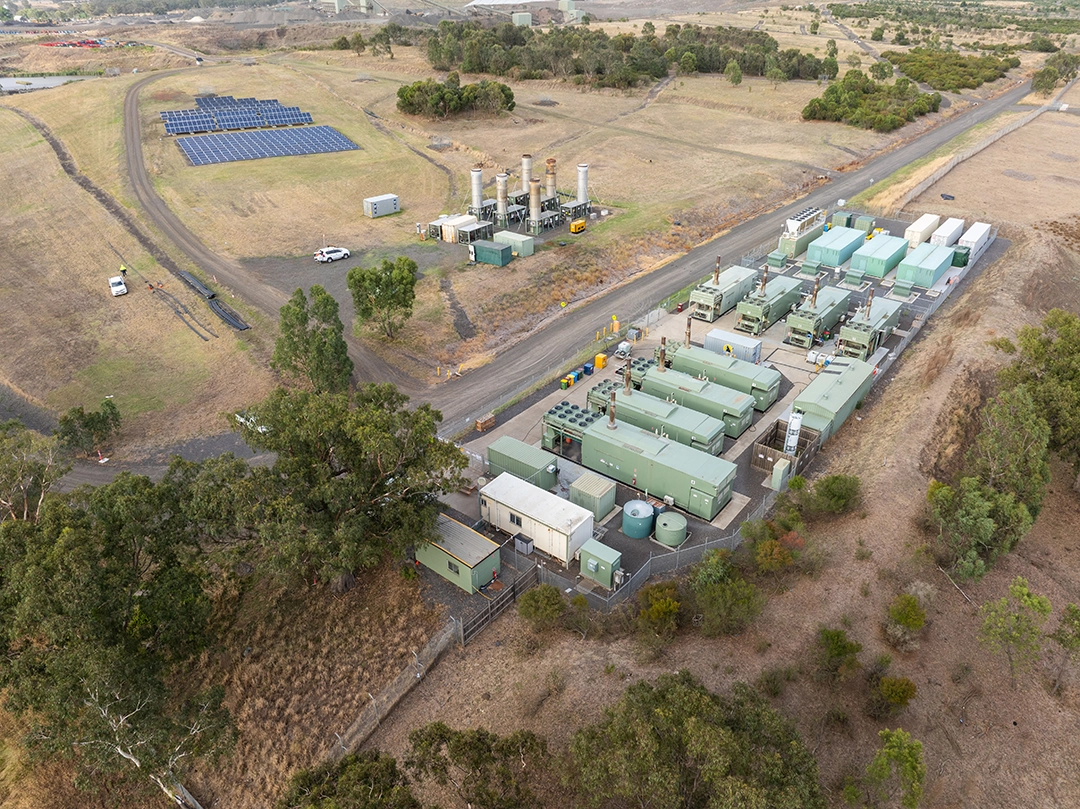

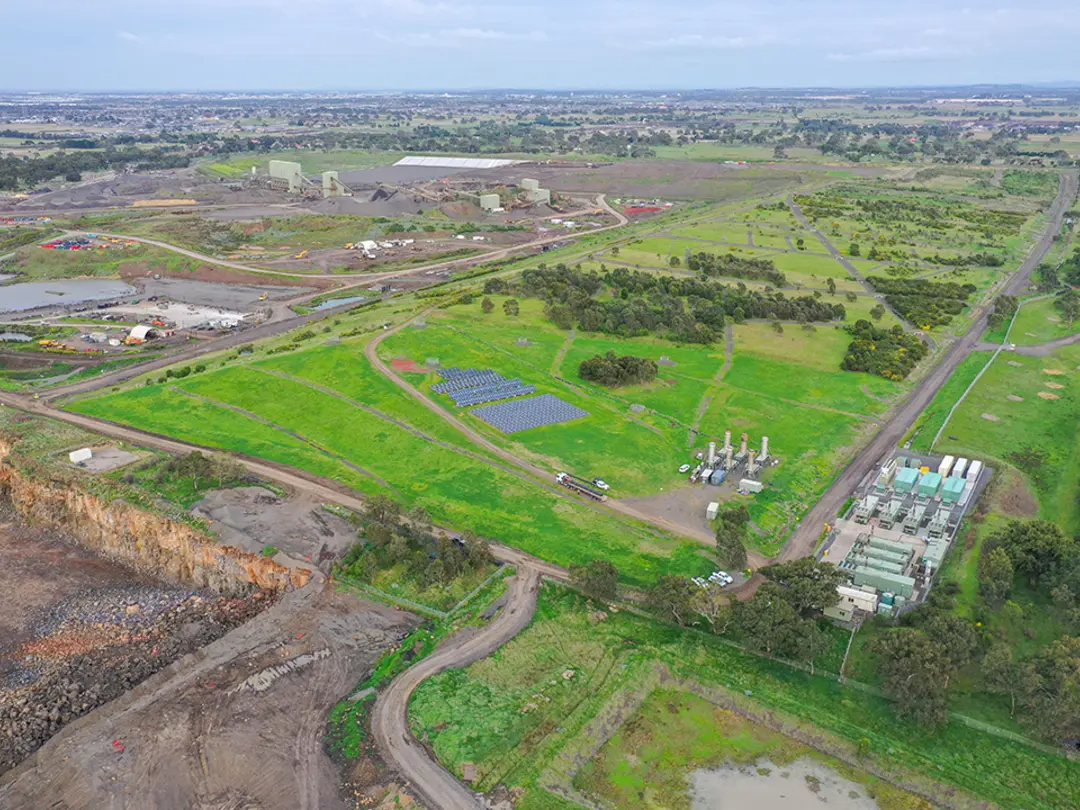
Renewable energy is generated through biogas and our solar array.
The bioenergy facility converts the methane produced from the breakdown of organic waste into clean energy, while the solar array harnesses the power of the sun to generate sustainable electricity.
These initiatives contribute to reducing greenhouse gases from entering the atmosphere and reduces our reliance on traditional energy sources.
Landfill gas (biogas) is a renewable energy source that is used to generate electricity.
LMS Energy
Open LMS Energy configuration options
The bioenergy facility at Wollert is owned and operated by LMS Energy - Australia’s leading methane destruction and bioenergy company. LMS Energy has been capturing and destroying methane at the Wollert Landfill since 2006, helping to reduce its greenhouse gas emissions.
Projects like this are transforming waste management, protecting the local environment while supplying Victoria with secure, affordable and clean energy.
Renewable energy impact
- 8.8 MW renewable energy capacity
- 75,000 MWh electricity generated annually
- Methane captured from organic waste
- Solar energy produced from landfill land use

LMS Energy own and operate the bioenergy facility at Wollert
Landfill gas is formed when organic waste breaks down, releasing methane, a powerful greenhouse gas that contributes to global warming.
Specialist infrastructure capture and extract this methane before it enters the atmosphere. The gas is then converted into electricity.
Pilot landfill solar project
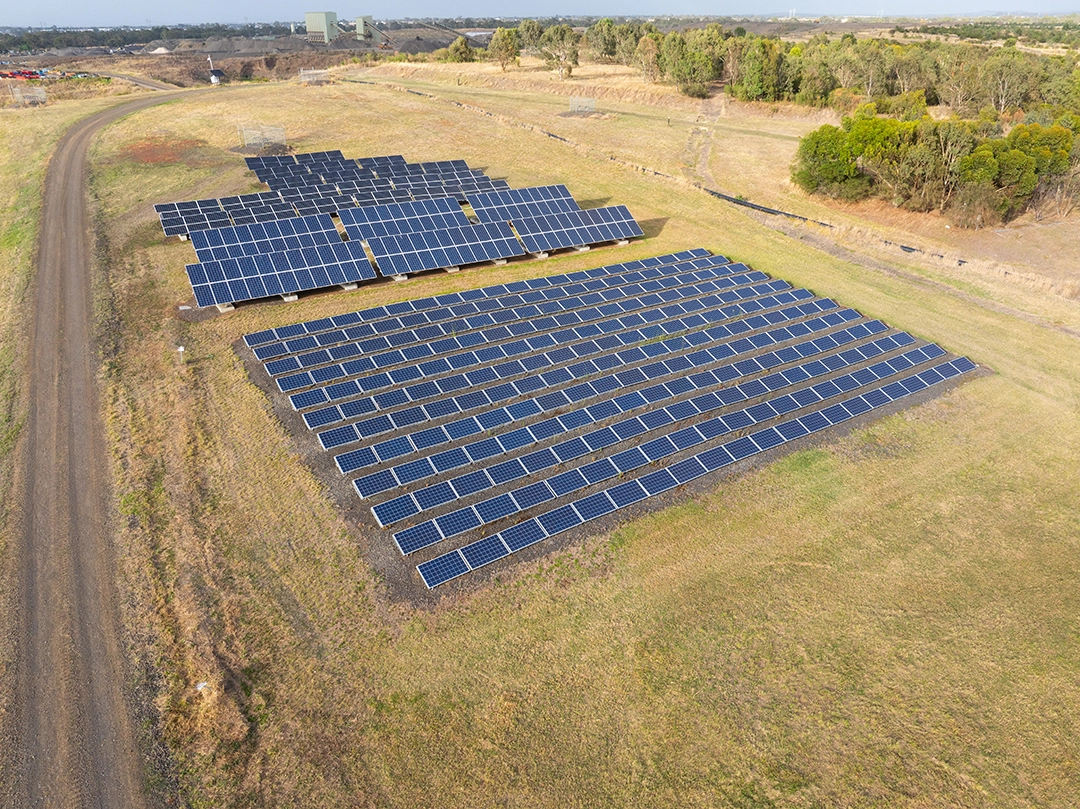

At Wollert, a capped portion of the site has been converted into a solar array.
The Pilot Landfill Solar Project at Wollert features over 380 solar panels generating up to 100 kWh of electricity.
The project is the first of its kind in Australia and was a pioneer project to determine the feasibility of installing solar PV at a landfill site in Australia.
The solar powered installation operates independently, exporting all the power it produces. The solar array supplements electricity generated by the bioenergy facility.
Led by LMS, this project received $100,000 in funding from the Australian Renewable Energy Agency (ARENA), as part of ARENA's Advancing Renewables Program.